What Is ASO? App Store Optimization, Explained by Someone Who Built the Tool

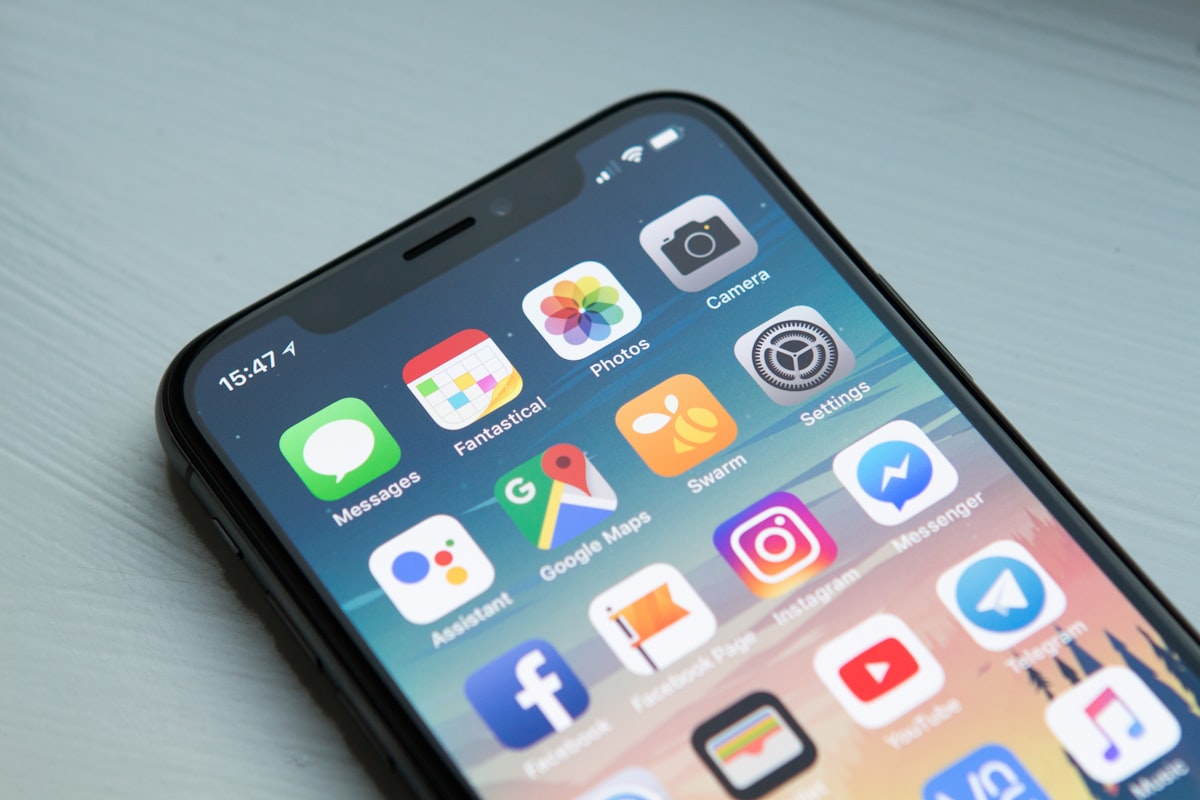
ASO — App Store Optimization — is the practice of making your app rank in App Store and Google Play search. It covers the keywords in your title and metadata, your screenshots, your ratings and your conversion rate. Store search drives most app installs, which makes ASO the highest-leverage marketing most founders skip.
The one-sentence version, then the honest version
The one-sentence version: ASO is SEO for app stores.
The honest version: ASO is the difference between an app that gets discovered every day and an app that only gets installed when you personally send someone the link. I build BrightAppData, an App Store Optimization tool, and the most common account I see is an app with months of engineering behind it and a store listing written in five minutes on submission day.
What actually decides your store ranking
Apple and Google both run keyword-driven search engines with their own ranking factors. They differ in detail but agree on the big levers:
| Lever | App Store (Apple) | Google Play |
|---|---|---|
| Title keywords | Heaviest single factor | Heaviest single factor |
| Extra keyword surface | Subtitle + 100-char keyword field | Short + long description (indexed) |
| Ratings & velocity | Strong — recency matters | Strong — recency matters |
| Conversion rate (views → installs) | Strong, compounding | Strong, compounding |
| Update cadence | Signals a live app | Signals a live app + API compliance |
Two consequences follow. First, the words in your title are not branding decisions — they are ranking decisions. "Zenlist" tells the algorithm nothing; "Zenlist: Grocery List & Meal Planner" competes for two real queries. Second, conversion feeds ranking: a listing that converts viewers into installers rises, which brings more viewers, which compounds. Screenshots are not decoration; they are your conversion engine.
Apple documents its product-page fields here and Google's listing tooling lives in the Play Console — both are worth an evening of your time before you write a single listing word.
When ASO should start — earlier than you think
The standard mistake is treating ASO as a launch-day chore. The right moment is before development, because keyword research is demand research: what people type into store search tells you what to build, what to name it, and whether demand exists at all. I put store keyword research on the first rung of my idea-validation ladder for exactly this reason.
For a live app, ASO is an iteration loop, not a one-off: change the title/keywords with your next store update, wait for the stores to re-rank, measure, repeat. Rankings move over weeks, not hours — anyone promising overnight ASO results is selling you something.
How to start, for free, tonight
- Open BrightAppData — it is free for everyone, no trial games — and search the 5-10 phrases a stranger would use to find an app like yours.
- Note volume and which apps rank. Open the top three listings and read them like a competitor, not a user: which words repeat in their titles? What do their first two screenshots say?
- Draft your title as brand + top keyword phrase, fill Apple's keyword field / Play's description with the realistic terms, and make screenshot one state the app's core promise in text big enough to read in a thumbnail.
- Ship it with your next update and re-check rankings in two weeks.
That is genuinely 80% of ASO. The remaining 20% — competitor gap analysis, locale-by-locale keywords, conversion testing — is where the service I offer picks up, applying the same tool with more hours behind it.
Why apps skip this, and what it costs
Because it feels like marketing, and founders budget for engineering. But an app nobody finds performs identically to an app that was never built — a point I make at length in why most startup apps fail. The build gets you a product. The listing gets you users. Budget both.
⚠Mistakes to Avoid
- ✕Writing the store listing on submission day with zero keyword research
- ✕A title that is only your brand name and tells the algorithm nothing
- ✕Treating screenshots as decoration instead of the conversion engine
- ✕Doing ASO once at launch and never iterating with store updates